
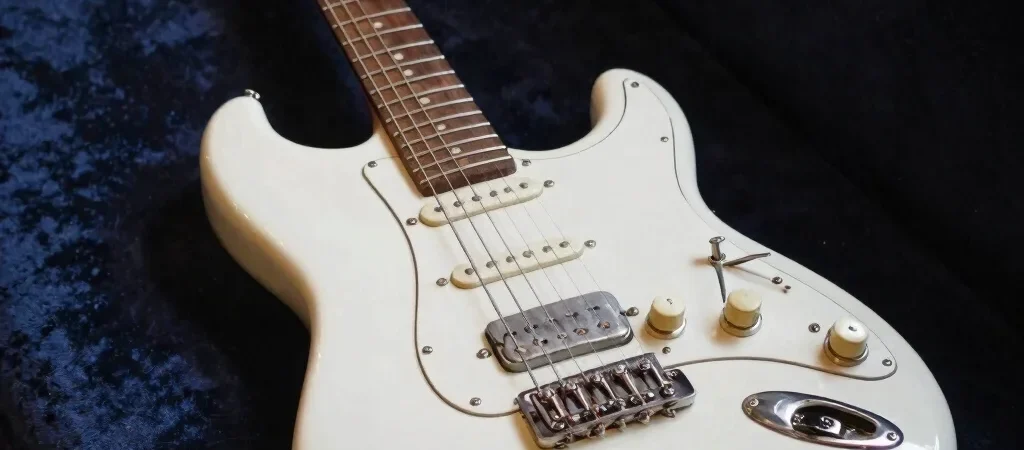
In the late 1930s, Sister Rosetta Tharpe plugged a electric pickup into her guitar, making a choice that split open the lineage of American sound. While traditionalists viewed amplified distortion with skepticism, Rosetta recognized its power to emulate the expressive range of the human voice. Her heavy-thumb picking and blistering speed established the blueprint that future rock icons would study for decades.
The Sonic Architecture of Overdrive
Rosetta's tone was unmistakable: warm tube saturation, rapid double-stops, and a percussive swing that kept crowds dancing in church halls and secular venues alike. Hits like Strange Things Happening Every Day proved that electrified gospel could cross over into commercial pop charts without losing its sacred pulse. She treated the electric guitar as an equalizer, cutting through dense horn sections with brassy confidence.
Influencing a Generation of Guitar Masters
From Memphis to London, young musicians watched Rosetta handle her white Gibson Les Paul Custom with unmatched virtuosity. Artists across blues, country, and early rock cited her rapid runs and fearless stage energy as their primary inspiration. Her playing destroyed the myth that female musicians belonged exclusively behind piano benches or lead microphones.
Echoes in Archival Soundscapes
Listening to archival soundscapes of her live concerts reveals a performer at the peak of her creative authority. The crackle of vinyl and the natural reverberation of historical halls capture a master musician defining a genre in real time.